
Mowing a flat lawn is usually simple. Mowing steep hills is a very different job.
So, what is the best lawn mower for steep slopes? The answer depends on the slope, grass type, ground condition, and work area.
A standard mower may work well on flat lawns. However, steep slopes need better traction and stability.
For difficult terrain, a Remote-control Lawn Mower can be a strong choice. It allows the operator to control the machine from a safe position.
In this guide, we compare different types of mowers. We also explain why remote control mowers can work well on steep and uneven ground.
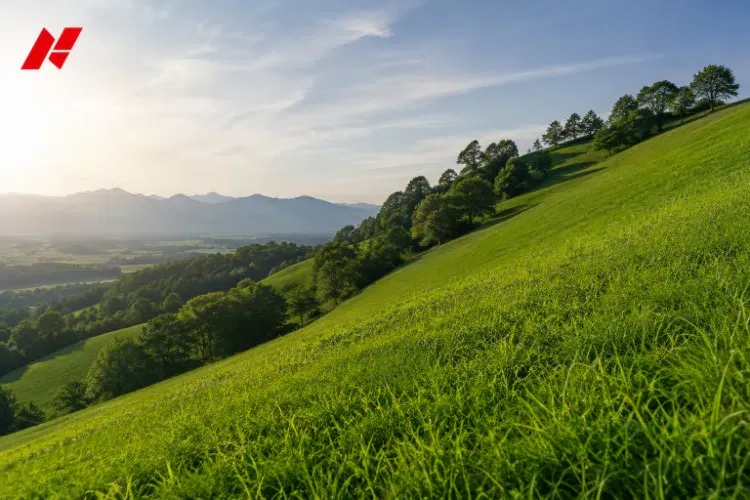
Why Are Steep Slopes Hard to Mow?
Steep slopes create several problems for lawn mowers. Gravity makes it harder for a machine to stay stable.
The mower may slide or lose traction. Wet grass can make the problem worse.
Uneven ground also creates extra risks. Rocks, roots, holes, and soft soil can affect mower movement.
Stability Matters
A good slope mower needs strong ground contact. It also needs a stable frame and drive system.
A powerful engine is useful, but engine power is not enough. The mower also needs good traction and balance.
We always recommend checking the manufacturer's slope limit before work. Operators should never exceed the rated working angle.
Wet Grass Can Increase Risk
Wet grass can reduce traction. It can also make slopes much harder to manage.
Before cutting, check the weather and ground condition. If the surface feels too wet, waiting can be the safer choice.
Which Types of Mowers Work on Slopes?
There are many types of mowers on the market. Each type has a different purpose.
Common choices include:
· Push mowers
· Riding mowers
· Zero-turn mowers
· Brush mowers
· Robot lawn mowers
· Remote control mowers
· Specialized slope mowers
The best choice depends on the job.
Push and Riding Mowers
Push mowers work well for small and flat lawns. They are simple and easy to use.
However, steep hills can create safety problems. The operator stays close to the machine during operation.
Riding mowers can cover large areas faster. Yet steep slopes can increase the risk of losing control.
For this reason, users should always follow the mower manufacturer's instructions.
Robotic Mowers
Robotic mowers offer another option. They can cut grass automatically with little daily input.
Some robot lawn mowers can handle slopes. However, their slope limits differ between models.
They also work best on suitable lawns. Very tall grass, rough ground, and large commercial areas may require a different solution.
Why Choose a Remote Control Mower?
A remote control mower gives the operator direct control from a distance.
This is one of its main advantages on difficult terrain.
The operator does not need to sit on the mower. The operator can also avoid standing directly behind the cutting deck.
Keep a Safe Distance
A remote control lawn mower allows the operator to stay away from the machine.
This can be useful near:
· Steep hills
· Roadside slopes
· Riverbanks
· Orchards
· Farms
· Solar farms
· Rough grassland
The operator can control movement while watching the machine from a better position.
A safe distance can reduce exposure to some common mowing hazards. However, remote control does not remove all risks.
Operators still need proper training. They must also follow the machine's safety instructions.
Better Control on Uneven Ground
A good control lawn mower should move smoothly across difficult surfaces.
Crawler tracks can provide strong contact with the ground. They can also help the machine work on uneven terrain.
This makes remote control mowers useful for areas where standard lawn mowers may struggle.
What Should You Look for in a Slope Mower?
Choosing a mower for steep terrain requires more than checking engine power.
We recommend looking at several key features.
Traction and Stability
Traction should be one of your first concerns.
A mower needs strong ground contact on steep slopes. A stable chassis can also improve control.
Crawler systems can work well on rough and uneven ground. However, always check the manufacturer's specifications.
Cutting Power and Height
Tall grass needs enough cutting power. A heavy duty mower can handle demanding grass more effectively.
The correct cutting height also matters.
Do not cut very tall grass too low in one pass. A gradual approach can reduce stress on the cutting system.
The right blade design also helps improve cutting performance.
Remote Control System
A reliable remote control system is important for professional work.
Look for:
· Stable signal
· Easy controls
· Quick response
· Speed adjustment
· Emergency stop
· Suitable operating range
Simple controls are a real advantage. Nobody wants to study a complicated controller while standing beside a steep hill.
How to Mow Steep Slopes More Safely
Even the best mower needs careful operation.
Before cutting grass, inspect the entire work area. Look for rocks, holes, roots, ditches, and other obstacles.
Check the Slope
First, check the slope angle. Compare it with the machine's rated working limit.
Do not guess the angle by looking at the hill. Use a suitable slope measuring tool when needed.
Also check the ground condition. Wet grass can reduce traction and increase the risk of sliding.
Before starting, check:
· Slope angle
· Grass height
· Ground moisture
· Rocks and roots
· Drop-offs
· Ditches
· Nearby roads
· People and animals
Good preparation can prevent many problems.
Keep People Away
Keep people and animals away from the working area.
Create a clear operating zone around the mower. Maintain a suitable safe distance at all times.
Remote control improves operator separation. Still, the operator must keep the mower under control.
Remote Control Mower vs Robotic Mower
Both machines reduce the need for direct contact. However, they work in different ways.
A robotic mower focuses on automatic grass cutting. A remote control mower gives the operator direct control.
Feature | Remote Control Mower | Robotic Mower |
Operator control | Direct | Mostly automatic |
Tall grass | Suitable for many models | Model dependent |
Uneven ground | Strong potential | Model dependent |
Steep slopes | Specialized models | Model dependent |
Commercial use | Excellent option | Application dependent |
Operator distance | Yes | Yes |
For a home lawn, robotic mowers can be very convenient.
For rough terrain and commercial work, a remote control mower may offer more flexibility.
How to Choose the Best Mower for Steep Slopes
So, what should you choose?
For mild slopes, a suitable conventional mower may work well. For steep hills and rough terrain, specialized equipment is usually a better option.
Before buying, check these points:
· Maximum slope angle
· Traction system
· Machine weight
· Ground clearance
· Cutting width
· Cutting height
· Engine or motor power
· Remote control range
· Emergency stop
· Blade design
· Maintenance needs
· Terrain compatibility
Do not choose a mower based on one feature.
A powerful engine cannot solve poor traction. A wide cutting deck cannot fix an unstable machine.
The mower must match the actual working environment.
Why Choose a Rayway Remote Control Mower?
At Shandong RAYWAY Lawnmower, we focus on remote-controlled mowing equipment for demanding environments.
Our Remote-control Lawn Mower solutions are designed for difficult areas. These include steep slopes, orchards, farms, roadside green belts, and other uneven terrain.
We focus on several important needs:
· Strong cutting performance
· Good terrain adaptability
· Remote operation
· Easy control
· Efficient grass cutting
· Stable performance
· Reduced operator exposure
We believe a good mower should do more than cut grass.
It should help operators work more efficiently and confidently.
Final Thoughts
Choosing the right mower for steep slopes requires careful planning.
A standard mower can work well on flat or gentle terrain. Robotic mowers can provide convenient automatic cutting on suitable lawns.
For steep hills, rough grass, and uneven ground, specialized slope mowers can offer better performance.
A remote control mower provides another important advantage. It lets the operator control the machine from a distance.
Before mowing, always check the slope, ground condition, and machine limits.
The right equipment makes difficult mowing easier. More importantly, good equipment and safe operation should always work together.


