
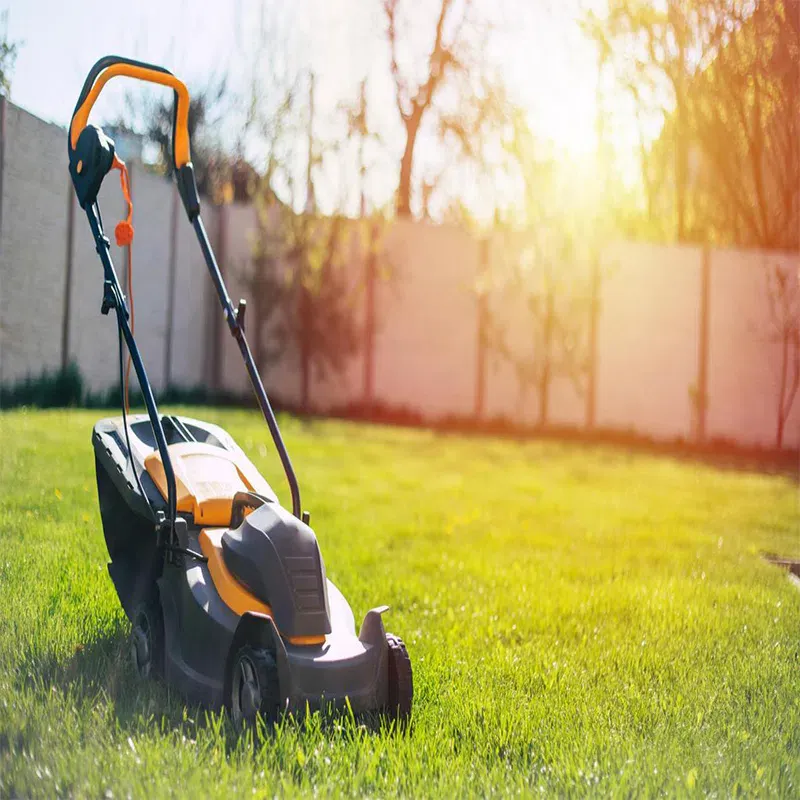
Durable Gas-Powered Lawn Mowers Built for Long-Term Reliability
Industry Background and Market Outlook
The global landscaping equipment sector continues to evolve under the dual influence of automation and sustainability pressures, yet gas-powered equipment remains a core segment for professional users. Despite the rapid expansion of electric and battery-powered alternatives, gasoline-driven machines are still widely preferred in commercial landscaping and municipal maintenance due to their superior torque output, extended operating time, and proven durability in heavy-duty environments.
Recent industry analyses indicate that gas-powered lawn mowers continue to hold a significant share of the powered mower market, particularly in applications involving large lawns, sports fields, and public green spaces. The global lawn mower industry is projected to reach nearly USD 48 billion by 2030, with gas-powered units still maintaining strong demand among contractors and large-scale operators who prioritize uninterrupted performance over emissions constraints.
In 2026, this segment remains especially relevant in regions such as North America and parts of Europe where commercial landscaping services are expanding alongside suburban development and urban greening initiatives.
Market Drivers and Emerging Trends
One of the primary factors sustaining demand for durable gas-powered lawn mowers is the operational requirement of professional landscapers. Commercial users often operate under tight schedules, requiring machines that can run continuously without downtime for charging or battery replacement. Gas-powered models provide a clear advantage in this regard, enabling full-day operation across variable terrain and vegetation density.
At the same time, the market is undergoing structural change. Environmental regulations and increasing awareness of emissions have pushed manufacturers to refine engine efficiency, improve combustion systems, and reduce noise output. However, despite the growth of electric alternatives, gas-powered models continue to dominate in heavy-duty applications due to their reliability and power consistency under demanding conditions.
Another important trend is the shift toward hybrid expectations from B2B buyers: they now demand not only raw power, but also improved fuel efficiency, ergonomic design, and lower maintenance intervals. This is reshaping how manufacturers position durable gas-powered lawn mowers in global export markets.
Engineering Focus: Reliability and Structural Design
The defining characteristic of durable gas-powered lawn mowers is long-term mechanical stability under repetitive stress. Modern industrial-grade models are engineered with reinforced steel cutting decks, high-torque engines typically in the 18–25 HP range for commercial units, and heavy-duty transmission systems designed for extended cycles of operation.
Manufacturing processes typically involve precision welding of the deck frame, anti-corrosion surface treatment, and dynamic balancing of rotating blade systems. These steps are critical to ensuring consistent cutting performance and minimizing vibration fatigue during prolonged use.
In advanced production lines, engine assembly is often followed by multi-stage testing, including load simulation, incline resistance checks, and continuous runtime validation. These processes ensure that each unit meets operational expectations in real-world landscaping environments such as uneven municipal parks or dense commercial grounds.
Application Scenarios and Value in Commercial Use
Durable gas-powered lawn mowers are widely used in golf course maintenance, municipal landscaping, hotel grounds management, agricultural perimeter maintenance, and sports field upkeep. Their ability to maintain consistent blade speed regardless of grass density makes them especially suitable for unpredictable terrain conditions.
Unlike lightweight residential models, commercial-grade machines are designed for scalability. Many systems support interchangeable cutting decks, mulching kits, and bagging attachments, allowing operators to adapt to different project requirements without changing equipment platforms. This flexibility is a key purchasing factor for B2B buyers managing diverse landscaping contracts.
Manufacturing Process Overview
The production of durable gas-powered lawn mowers typically begins with steel frame stamping and chassis assembly, followed by engine integration and drive system installation. After initial assembly, each unit undergoes calibration of throttle response, blade rotation balance, and safety shutdown systems.
Quality control is a critical stage, where machines are subjected to endurance testing that simulates extended field operation. This ensures that components such as belts, bearings, and cutting blades maintain stability under long working hours. Only after passing these inspections are units approved for export distribution.
Industry Challenges and Future Development
Although gas-powered lawn mowers remain highly reliable, manufacturers face increasing pressure from emissions regulations and shifting customer preferences toward low-noise and eco-friendly alternatives. This is encouraging innovation in cleaner combustion technology, fuel optimization, and reduced-vibration engine systems.
At the same time, global demand for high-performance landscaping equipment continues to grow, particularly in developing regions and commercial sectors where reliability and cost-efficiency remain the top priorities. As a result, durable gas-powered lawn mowers are expected to maintain a stable position in the professional equipment market over the coming years.
FAQ for International Buyers
Q1: Are gas-powered lawn mowers still suitable for long-term commercial use in 2026?
Yes, they remain widely used in commercial landscaping due to their strong torque, long runtime, and proven durability in heavy-duty environments.
Q2: What maintenance is required for long-term reliability?
Regular oil changes, air filter cleaning, blade sharpening, and fuel system inspection are essential to maintain optimal performance and extend machine lifespan.
Q3: Can gas-powered lawn mowers operate in large-scale municipal projects?
Yes, they are commonly used in municipal parks, sports fields, and roadside maintenance where continuous operation is required.
Q4: How do manufacturers improve durability in modern models?
Through reinforced steel decks, upgraded engine systems, improved cooling design, and enhanced vibration control structures.
Conclusion and Call to Action
As global landscaping demands continue to expand, durable gas-powered lawn mowers remain a critical solution for professionals seeking consistent performance and long-term operational stability. Their balance of power, endurance, and serviceability ensures they continue to play a vital role in commercial ground maintenance worldwide.
For distributors, wholesalers, and landscaping contractors seeking reliable OEM/ODM partnerships, selecting a manufacturer with proven engineering capability and strict quality control is essential. If you are planning to expand your product line or source high-performance gas-powered lawn mowers for your market, now is the right time to connect with an experienced supplier and secure a competitive advantage in the global landscaping equipment industry.


